If you’re considering treatment for your chronic anal fissure, understanding how laser fissure surgery works can help you feel more comfortable about the procedure. Many patients in Karachi feels nervous because they don’t know what to expect. This detailed guide will walk you through each step of the laser surgery process in simple terms, so you knows exactly what happens before, during, and after the treatment.
What Makes Laser Surgery Different?
Before we explains how laser fissure surgery works, it’s important to understand what makes this approach special. Traditional surgery uses scalpel (surgical knife) to cut tissue, which causes bleeding and requires stitches. Laser surgery, on the other hand, uses focused beam of light energy that can cut, seal blood vessels, and promote healing all at same time.
The laser works at specific wavelength that targets water in tissue cells. When laser energy is absorbed by tissues, it creates precise effect without damaging surrounding healthy areas. This is why Laser Fissure Treatment – Immediate Pain Relief with No Cuts has become so popular among patients from Defence, Clifton, and other parts of Karachi who wants faster recovery.
Step 1: Pre-Surgery Preparation
The journey of understanding how laser fissure surgery works begins before you even enters the operation room. Here’s what happens in preparation phase:
Initial Consultation and Examination
First, your doctor will examines your fissure carefully to confirm that laser surgery is right option for you. They will checks the location, depth, and chronicity of fissure. This examination helps the surgeon plans the exact approach they will use during procedure. Many patients from Gulshan, Malir, and North Nazimabad appreciate that this consultation is thorough yet quick.
If your fissure has lasted more than 6 weeks, read all available chronic fissure treatment options.
Pre-Operative Instructions
Before surgery, you’ll receive specific instructions. These typically includes:
- Fasting for 6-8 hours before procedure (no food or drinks)
- Taking enema to clean the bowels
- Stopping certain medications if advised by doctor
- Arranging transportation home after surgery
Following these instructions carefully ensures the surgery goes smooth and reduces risk of complications. Moreover, proper preparation makes the entire experience much more comfortable for patient.
Step 2: Anesthesia Administration
Understanding how laser fissure surgery works includes knowing about anesthesia. Most laser fissure procedures are performed under local anesthesia with sedation or spinal anesthesia. This means you won’t feels pain during surgery, but recovery is faster than general anesthesia.
The anesthesiologist will explains which type of anesthesia is best for your case. Local anesthesia numbs only the surgical area, while spinal anesthesia numbs lower half of body. Additionally, mild sedation helps you stay relaxed throughout procedure. The whole anesthesia process takes about 10-15 minutes, and you’ll be comfortable and pain-free during entire surgery.
Step 3: Positioning and Preparation
Once anesthesia has taken effect, you’ll be positioned in appropriate surgical position – usually on your side or in lithotomy position. The surgical area is then cleaned thoroughly with antiseptic solution to prevents infection. This step is crucial for maintaining sterility throughout procedure.
The surgeon will uses special instruments to gently examines the fissure and surrounding area one final time. This allows them to confirms their surgical plan and identifies the exact location where laser will be applied. Therefore, precision at this stage ensures better outcomes.
Step 4: The Laser Treatment Process
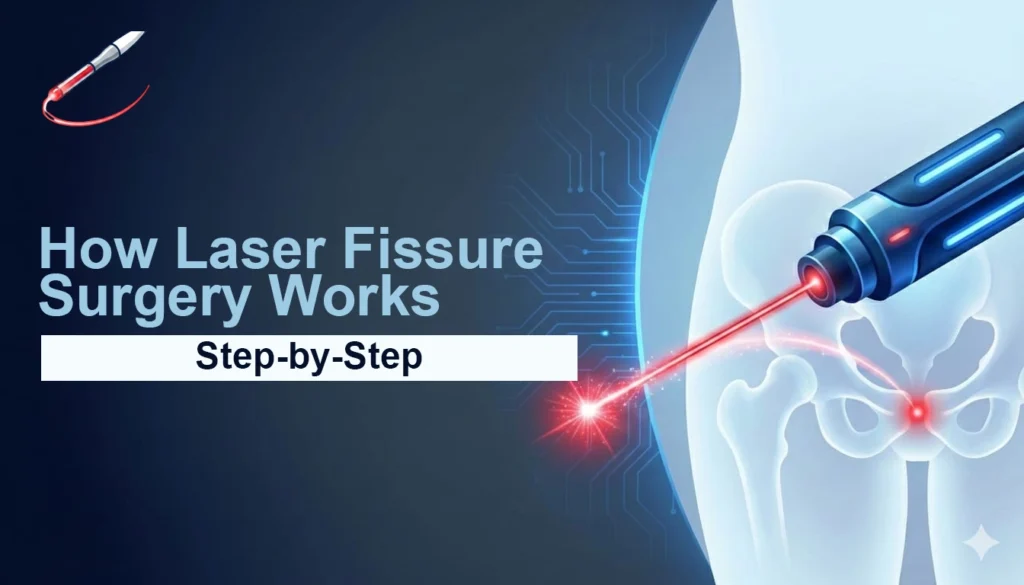
This is the main part where understanding how laser fissure surgery works becomes most interesting. The actual laser treatment involves several precise steps:
Laser Energy Application
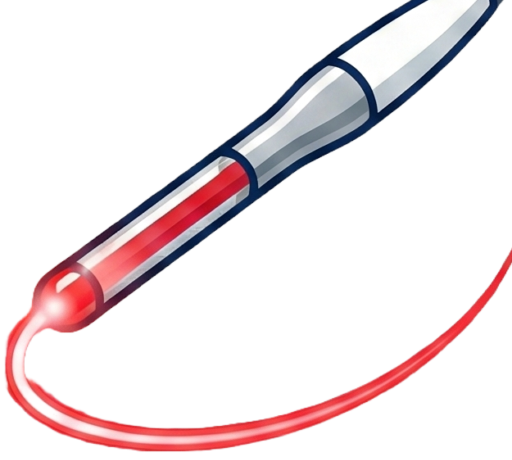
The surgeon uses specialized laser fiber, which is very thin and flexible. This fiber delivers concentrated laser energy directly to the fissure and tight sphincter muscle. The laser works in two main ways simultaneously:
First, it vaporizes the damaged tissue in fissure bed, removing chronic, non-healing edges that prevents wound closure. Second, it creates controlled effect on internal sphincter muscle, causing it to relax without actually cutting through muscle fibers like traditional surgery does. This dual action is what makes Laser Fissure Treatment – Immediate Pain Relief with No Cuts so effective.
Blood Vessel Sealing
As laser moves through tissue, it automatically seals blood vessels. This is called coagulation. The heat from laser causes blood vessels to close immediately, which means there’s minimal bleeding during surgery. Patients watching their procedure (if they choose local anesthesia with mild sedation) often amazed at how little blood there is compared to what they expected.
Sphincterotomy Effect
The laser creates what doctors calls “controlled sphincterotomy” – meaning it relaxes the tight anal sphincter muscle that’s preventing fissure from healing. However, unlike traditional LIS surgery that cuts muscle with blade, laser achieves this through thermal effect. The muscle fibers are gently separated and relaxed rather than cut, which preserves muscle function better and reduces risk of incontinence.
Throughout this process, surgeon carefully monitors the depth and extent of laser application. They adjusts the laser settings based on tissue response and individual patient anatomy. This customization ensures optimal results for each patient, whether they’re from Saddar, Korangi, or any other area of Karachi.
Step 5: Final Inspection and Completion
After laser application is complete, surgeon inspects the treated area carefully. They ensures that:
- All fibrotic tissue has been removed
- Adequate sphincter relaxation achieved
- No active bleeding present
- Proper healing environment created
One remarkable aspect of how laser fissure surgery works is that usually no stitches are needed. The laser creates clean edges that heal naturally. Sometimes, surgeon might applies topical medication to surgical site to promotes healing, but wound is generally left open to heal from inside out.
Step 6: Recovery Room and Immediate Post-Operative Care
After surgery completes – which typically takes only 15-30 minutes – you’ll be moved to recovery area. Here’s what happens:
Nurses monitors your vital signs (blood pressure, heart rate, oxygen levels) as anesthesia wears off. Most patients are fully awake and alert within 30-60 minutes. You might feels some discomfort or pressure in surgical area, but severe pain is uncommon with laser surgery.
Before discharge, medical staff will provides you with detailed instructions about home care, including pain management, hygiene practices, and dietary recommendations. Furthermore, they’ll schedules your follow-up appointment to monitors healing progress.
Understanding the Healing Process After Laser Surgery
Part of understanding how laser fissure surgery works is knowing what happens after you leaves the surgical facility. The healing process is generally much faster and more comfortable than traditional surgery:
First 24-48 Hours: You might experiences mild to moderate discomfort, which is easily managed with prescribed pain medications. Many patients from areas like Bahria Town and DHA reports that pain is much less than they expected. You should rests at home and avoid strenuous activities.
Days 3-7: Most patients returns to normal daily activities by third or fourth day. The surgical site continues healing, and you’ll notices decreased pain and discomfort. Sitz baths (sitting in warm water) helps keeps area clean and promotes healing.
Weeks 2-4: Complete healing typically occurs within 2-4 weeks. By this time, most patients are completely pain-free and can resumes all normal activities including exercise. The fissure has healed, and sphincter muscle maintains proper tone.
Why This Method Works So Well
The success of Laser Fissure Treatment – Immediate Pain Relief with No Cuts comes from several key factors. The precision of laser technology allows targeted treatment without damaging healthy tissue. The automatic blood vessel sealing reduces bleeding and promotes faster healing. The controlled sphincter relaxation maintains muscle function while eliminating spasm.
Moreover, because there’s no cutting with scalpel and no stitches required, patient experiences less pain, faster recovery, and lower risk of complications. This makes laser surgery ideal choice for working professionals, students, and anyone who cannot affords long recovery time.
Expert Care in Karachi
Understanding how laser fissure surgery works is important, but having it performed by experienced specialist makes all difference. a qualified laser proctologist in Karachi has extensive expertise in performing laser fissure surgery with excellent outcomes, helping patients throughout the city achieve complete healing with minimal discomfort and quick recovery.
For more comprehensive information about laser treatment and comparing it with other surgical options, fissuretreatment.pk offers detailed resources about various fissure treatments available in Pakistan.
Final Thoughts
Now that you understands how laser fissure surgery works step by step, you can make informed decision about your treatment. The procedure is straightforward, quick, and remarkably effective. From initial preparation through complete healing, every step is designed to ensures your comfort and optimal outcome.
Whether you’re in Gulshan-e-Iqbal, Nazimabad, or anywhere else in Karachi, laser surgery offers modern solution to chronic anal fissure problem. The combination of advanced technology, minimal invasiveness, and proven results makes it excellent choice for patients who wants to finally heal and return to normal, pain-free life.
Don’t lets fear of unknown prevents you from seeking treatment. With clear understanding of how procedure works, you can approaches laser fissure surgery with confidence, knowing that you’re choosing safe, effective, and modern treatment option.
For the complete guide covering acute vs chronic fissure, all treatment options, and cost, see our laser treatment for anal fissure — complete guide.