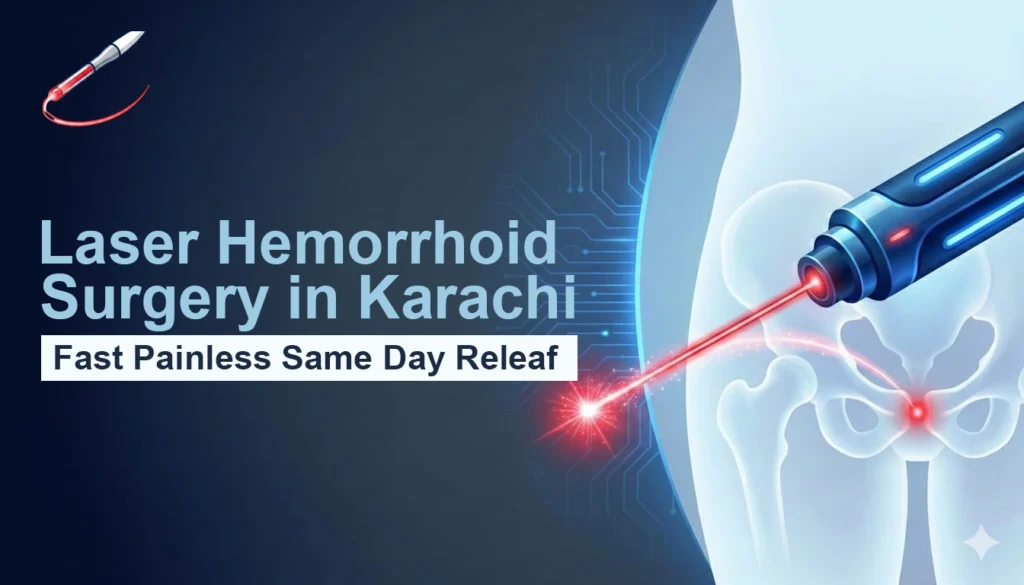
If you’re suffering from painful hemorrhoids and looking for a modern treatment option, Laser Hemorrhoidoplasty (LHP) might be the solution you need. This advanced procedure uses laser technology to treat hemorrhoids with minimal pain and quick recovery. Understanding what to expect before, during, and after the procedure can help you feel more confident about your treatment choice.
What is laser hemorrhoidoplasty and how does it work?
Laser Hemorrhoidoplasty is a minimally invasive surgical procedure that use laser energy to shrink and remove hemorrhoidal tissue. Unlike traditional surgery that involves cutting and stitching, LHP works by directing precise laser beams at the hemorrhoid tissue. The laser energy causes the hemorrhoid to shrink and eventually disappear.
This laser proctology procedure is performed under local anesthesia or light sedation. The surgeon inserts a special laser fiber into or near the hemorrhoid. The laser energy seals blood vessels feeding the hemorrhoid, cutting off its blood supply. Without blood flow, the hemorrhoid tissue shrinks and is absorbed by the body over time.
The procedure typically takes 15-30 minutes depending on the number and size of hemorrhoids being treated. Most patients can go home the same day, making it a convenient option for busy individuals who cannot afford long hospital stays.
Yaad Rakhein: Laser Hemorrhoidoplasty mein laser ki madad se bawaseer ka tissue shrink ho jata hai. Yeh procedure kam dard aur jaldi recovery ke saath hota hai, aur zyada tar patients usi din ghar ja sakte hain.
Is laser treatment for hemorrhoids better than traditional surgery?
When comparing laser treatment for hemorrhoids with traditional hemorrhoidectomy, laser procedures offer several significant advantages. Traditional surgery involves cutting away hemorrhoid tissue with a scalpel, which causes more pain, bleeding, and requires longer recovery time.
Laser hemorrhoidoplasty causes less tissue damage because the laser seals blood vessels as it works. This means less bleeding during and after the procedure. Patients experience significantly less post-operative pain compared to conventional surgery. Additionally, the risk of complications like infection or anal stenosis is much lower with laser treatment.
Recovery after LHP is much faster. Most patients return to normal activities within 3-5 days, while traditional surgery may require 2-4 weeks of recovery. For people in Karachi who need to get back to work quickly, this faster recovery makes a big difference.
However, it’s important to note that not all hemorrhoids are suitable for laser treatment. Your doctor will evaluate your condition and recommend the best approach based on the grade and location of your hemorrhoids.
Important Medical Point: Traditional surgery aur laser treatment mein bohat fark hai. Laser se kam dard, kam bleeding, aur jaldi recovery milti hai. Agar aap suitable candidate hain, to laser treatment behtar option ho sakta hai.
What should you expect before laser piles surgery?
Preparation for laser piles surgery begins with a thorough consultation with your proctologist. During this visit, the doctor will examine your hemorrhoids to determine if you’re a good candidate for LHP. They will ask about your symptoms, medical history, and any medications you’re taking.
Read about same-day laser hemorrhoid surgery and find the top laser piles surgeons in Pakistan.
See the real cost breakdown of laser piles surgery in Pakistan, and read honest patient experiences about pain levels.
Before the procedure, you’ll need to follow certain instructions. Your doctor will typically ask you to:
Dietary Preparation: You may need to eat a light meal the night before and avoid heavy foods. Some doctors recommend a liquid diet on the day of surgery.
Bowel Preparation: You might be asked to use an enema or laxative to empty your bowels before the procedure. This makes the surgery easier and more comfortable.
Medication Review: Inform your doctor about all medications you take. You may need to stop blood thinners or certain supplements several days before surgery.
Fasting Requirements: If you’ll receive sedation, you’ll likely need to avoid eating or drinking for 6-8 hours before the procedure.
On the day of surgery, arrive at the clinic or hospital at the scheduled time. Wear comfortable, loose clothing that’s easy to remove. Arrange for someone to drive you home after the procedure, as you may feel drowsy from sedation.
What happens during the laser hemorrhoidoplasty procedure?
[Note: Add image here – Medical procedure or laser surgery from Pexels/Unsplash]
The actual LHP procedure follows a systematic approach. First, you’ll be positioned comfortably, usually lying on your side or in a position that gives the surgeon good access to the treatment area. The surgical team will clean and prepare the area thoroughly.
Local anesthesia is administered to numb the treatment area. Some patients also receive mild sedation to help them relax. You’ll remain awake but comfortable throughout the procedure. The anesthesia ensures you won’t feel pain during the surgery.
Once the area is numb, the surgeon uses a special instrument called an anoscope to visualize the hemorrhoids clearly. Then, a thin laser fiber is carefully inserted into or directed at the hemorrhoid tissue. The laser energy is applied in controlled pulses.
As the laser works, you might feel some pressure or warmth, but you shouldn’t experience pain. The laser seals the blood vessels supplying the hemorrhoid, causing it to shrink. The surgeon treats each hemorrhoid systematically, ensuring complete coverage.
After treating all affected areas, the surgeon removes the instruments. No stitches are usually required because the laser seals tissue as it works. The entire procedure typically takes 15-30 minutes, depending on how many hemorrhoids need treatment.
a qualified laser proctologist ka Experience: your surgeon specializes in laser hemorrhoid procedures and has successfully treated numerous patients using advanced LHP techniques with excellent outcomes.
What can you expect during recovery after LHP?
Recovery from laser hemorrhoidoplasty is generally smooth and much easier than traditional surgery. Understanding what to expect helps you prepare better and know what’s normal during healing.
First 24 Hours: You may experience mild discomfort, pressure, or a feeling of fullness in the rectal area. This is normal and usually manageable with over-the-counter pain medication. Some patients notice slight spotting or minimal bleeding, which is expected.
Days 2-5: Discomfort gradually decreases. You should be able to return to light activities and work by day 3-5, depending on your job. Avoid heavy lifting or strenuous exercise during this period. Continue taking prescribed medications and follow dietary recommendations.
Week 1-2: Most symptoms resolve by the end of the first week. You may still experience occasional mild discomfort, especially during bowel movements. This improves steadily. You can gradually return to normal activities, including exercise.
Complete Healing: Full healing typically occurs within 2-4 weeks. The treated hemorrhoid tissue continues shrinking during this time. Follow-up appointments allow your doctor to monitor healing and address any concerns.
During recovery, proper care is essential. Keep the area clean by washing gently after bowel movements. Use warm sitz baths 2-3 times daily to promote healing and comfort. Eat a high-fiber diet and drink plenty of water to keep stools soft.
Are there any risks or complications with laser hemorrhoid surgery?
Like any medical procedure, LHP carries some risks, though they are minimal compared to traditional surgery. Understanding potential complications helps you make an informed decision and recognize warning signs.
Common Minor Issues:
– Mild pain or discomfort (easily managed with medication)
– Slight bleeding or spotting (usually minimal and temporary)
– Temporary swelling in the treated area
– Feeling of urge to have bowel movement (resolves within days)
Rare Complications:
– Infection (very uncommon due to laser’s sterilizing effect)
– Urinary retention (temporary difficulty urinating)
– Recurrence (hemorrhoids coming back, though less common than with other treatments)
– Anal stricture (narrowing of anal canal, extremely rare with laser)
The risk of serious complications is very low with LHP, especially when performed by an experienced surgeon. Most patients experience smooth recovery without significant problems. The procedure causes minimal pain compared to traditional methods.
If you experience severe pain, heavy bleeding, fever, or inability to urinate after surgery, contact your doctor immediately. These could indicate complications requiring medical attention.
How much does laser hemorrhoidoplasty cost in Pakistan?
The cost of LHP in Pakistan varies depending on several factors. In major cities like Karachi, Lahore, and Islamabad, prices typically range from PKR 80,000 to PKR 150,000. This variation depends on:
Facility Type: Private hospitals generally charge more than standalone clinics. However, they may offer more comprehensive facilities and services.
Surgeon’s Experience: Highly experienced specialists may charge higher fees, but their expertise often leads to better outcomes and fewer complications.
Number of Hemorrhoids: Treating multiple hemorrhoids costs more than treating a single one. The complexity of your case affects the final price.
Additional Services: Pre-operative tests, medications, follow-up visits, and other services may be included or charged separately.
Many insurance companies in Pakistan now cover laser hemorrhoid treatment. Check with your insurance provider about coverage details. Even without insurance, laser hemorrhoidoplasty can be cost-effective when you consider the faster recovery and reduced time away from work.
Some clinics offer payment plans or financing options to make the procedure more accessible. Don’t let cost alone determine your choice – consider the quality of care and surgeon’s experience as well.
Special Note: Cost should not be the only factor in choosing treatment. Quality of care, surgeon experience, and facility standards are equally important for successful outcomes and your safety.
Who is a good candidate for laser hemorrhoidoplasty?
Not everyone with hemorrhoids needs or benefits from LHP. Understanding whether you’re a suitable candidate helps set realistic expectations.
Good Candidates Include:
– Patients with Grade II or III internal hemorrhoids
– People who have tried conservative treatments without success
– Those seeking faster recovery and minimal pain
– Patients who cannot afford long recovery periods
– Individuals with mixed internal and external hemorrhoids
May Not Be Suitable For:
– Very large, prolapsed Grade IV hemorrhoids (may need traditional surgery)
– Patients with severe anal fissures or other complications
– Those with certain bleeding disorders
– Pregnant women (usually advised to wait until after delivery)
Your doctor will conduct a thorough examination to determine if LHP is right for you. They may also consider comparing laser with band ligation or other treatment options based on your specific situation.
Age is generally not a limiting factor. Both younger and older patients can undergo LHP successfully, as long as they’re in reasonably good health. The procedure has been performed safely on patients ranging from their 20s to their 70s.
What lifestyle changes help maintain results after surgery?
Successfully treating hemorrhoids is just the first step. Making certain lifestyle changes helps prevent recurrence and maintains the benefits of your surgery.
Dietary Modifications:
Increase fiber intake through fruits, vegetables, whole grains, and legumes. Fiber keeps stools soft and easy to pass, reducing strain during bowel movements. Aim for 25-30 grams of fiber daily. Drink at least 8-10 glasses of water each day to support digestion and prevent constipation.
Bathroom Habits:
Never strain during bowel movements. If you feel the urge, don’t delay – go to the bathroom promptly. Avoid sitting on the toilet for extended periods. Limit toilet time to 5 minutes or less. Consider using a footstool to elevate your feet while sitting, which improves bowel movement positioning.
Physical Activity:
Regular exercise improves digestion and prevents constipation. Even simple activities like walking for 30 minutes daily can make a significant difference. Avoid prolonged sitting or standing. Take breaks to move around if your job requires long periods in one position.
Weight Management:
Maintain a healthy weight to reduce pressure on pelvic and rectal veins. Extra weight can contribute to hemorrhoid development and recurrence.
Following these lifestyle recommendations significantly reduces your risk of hemorrhoids coming back after successful treatment. Most patients who maintain healthy habits enjoy long-lasting results from their LHP procedure.
Conclusion
Laser Hemorrhoidoplasty offers a modern, effective solution for treating hemorrhoids with minimal pain and quick recovery. Understanding what to expect before, during, and after the procedure helps you prepare mentally and physically for the treatment.
The advantages of LHP – including less pain, minimal bleeding, faster recovery, and lower complication rates – make it an excellent choice for many patients suffering from hemorrhoids. While the procedure may cost more than some traditional treatments, the benefits of returning to normal life quickly often outweigh the additional expense.
If you’re experiencing hemorrhoid symptoms that affect your daily life, consult with a qualified proctologist to determine if laser hemorrhoidoplasty is right for you. With proper preparation, experienced surgical care, and good post-operative habits, you can achieve lasting relief from hemorrhoid symptoms and improve your quality of life.
Remember, early treatment often leads to better outcomes. Don’t let embarrassment or fear prevent you from seeking help. Modern laser treatments like LHP have made hemorrhoid surgery much more comfortable and effective than ever before.
For more information about hemorrhoid treatments and laser procedures, explore our detailed guides on various surgical options and recovery tips.