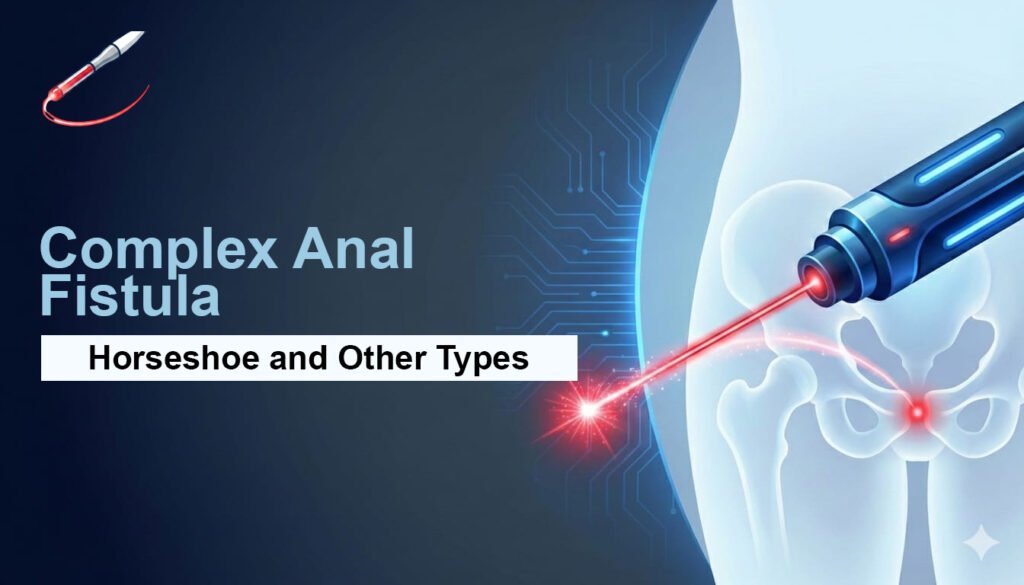
If you have an anal fistula, choosing the right treatment can feel overwhelming. Two main options are available: FiLaC (laser treatment) and fistulotomy (traditional surgery). Each method has different success rates, recovery times, and risks. This article will help you understand FilaC vs Fistulotomy difference in all aspects including treatment and which and why one might work best for you.
FiLaC vs fistulotomy? What is the Difference
FiLaC is a modern laser procedure that treats fistulas from inside using laser energy. On the other hand, fistulotomy is a traditional surgical method where the surgeon cuts open the fistula tract to let it heal. The main difference lies in how they work and what happens after treatment.
Traditional fistulotomy involves making a cut along the entire fistula path. This allows the tract to heal from the bottom up. While this method has been use for many years, it can sometimes damage the sphincter muscles that control bowel movements.
FiLaC works differently. The laser fiber is inserted into the fistula opening, and laser energy destroys the tract from inside. There is no cutting of external tissue, which means less pain and faster recovery for most patients.
Yaad Rakhein: Fistulotomy mein puri fistula tract ko khol kar kaata jata hai, jabke FiLaC laser se andar se hi treat karta hai. Yeh modern tareeqa kam dard aur jaldi recovery deta hai.
Which surgery is best for fistula treatment?
The answer depends on your fistula type and location. However, when we compare fistula laser vs surgery, laser treatments like FiLaC offer several advantages. They preserve sphincter muscles, cause less pain, and allow patients to return to normal activities faster.
For simple fistulas, fistulotomy has a success rate around 96% with only 4% recurrence. However, for complex fistulas that involve sphincter muscles, fistulotomy becomes risky because it can lead to incontinence issues.
FiLaC has shown promising results with approximately 86% success rate in various studies, though recurrence can be around 14%. The good news is that combining FiLaC with other procedures like LIFT can improve success rates dramatically.
According to medical literature, fistulectomy (removing the entire tract) also shows about 4% recurrence rate. When FiLaC is combined with LIFT procedure, the recurrence drops to just 2%, making it one of the most effective treatment options available today.
a qualified laser proctologist ke Experience ke Saath: Proper technique aur follow-up care ke saath, recurrence ka risk 0% tak kam ho sakta hai. a qualified specialist specialized training aur years of experience fistula treatment mein rakhte hain.
How do success rates compare between FiLaC vs fistulotomy?
[Note: Add image here – Surgery comparison or surgical procedure from Pexels/Unsplash]
For patients with multiple tracts or horseshoe fistulas, see complex anal fistula management.
Let’s look at the actual numbers to understand treatment outcomes better:
Fistulotomy Success Rate:
– Success rate: 96%
– Recurrence rate: 4%
– Risk of incontinence: 10-30% (depending on fistula complexity)
– Healing time: 4-6 weeks
FiLaC Success Rate:
– Success rate: 86%
– Recurrence rate: 14%
– Risk of incontinence: Less than 1%
– Healing time: 2-3 weeks
Combined FiLaC + LIFT:
– Success rate: 98%
– Recurrence rate: 2%
– Risk of incontinence: Minimal
– Healing time: 3-4 weeks
When you look at these numbers, traditional surgery seems to have slightly better success rates. However, the risk of sphincter damage and incontinence is significantly higher with fistulotomy, especially for complex cases.
Moreover, patients who undergo FiLaC experience less post-operative pain, require fewer pain medications, and can return to work much sooner than those who have traditional surgery.
Important Medical Point: Success rate sirf numbers nahi hai. Aapki quality of life, recovery time, aur complications ka risk bhi matter karta hai. FiLaC mein kam dard aur jaldi recovery milti hai.
What factors affect treatment success of fistula?
Several factors determine whether your fistula treatment will be successful:
Fistula Complexity: Simple fistulas respond better to both treatments. Complex fistulas with multiple tracts need more advanced approaches like combined FiLaC and LIFT.
Surgeon Experience: The skill and experience of your surgeon plays a crucial role. A well-trained proctologist can achieve better outcomes with either method. your surgeon specializes in laser proctology and has successfully treated numerous fistula cases with excellent outcomes.
Post-Operative Care: Following your doctor’s instructions after surgery is essential. Proper wound care, hygiene, and follow-up visits help prevent recurrence.
Patient Health: Conditions like diabetes, Crohn’s disease, or immune system problems can affect healing and increase recurrence risk.
Why is FiLaC becoming more popular in Pakistan?
In cities like Karachi, more patients are choosing laser treatment for several reasons. First, the recovery period is shorter, which means less time away from work and family responsibilities. This matters a lot for people who cannot afford long medical leaves.
Second, FiLaC causes less damage to surrounding tissues. This means lower risk of complications like infection or abscess formation. Additionally, the procedure can be done as a day-case surgery, so you don’t need to stay in hospital overnight.
Third, for patients who value privacy and quick recovery, laser treatment offers a discreet option. You can return to your normal routine within days rather than weeks.
Does insurance cover laser treatment?
Many insurance companies in Pakistan now cover laser procedures for fistula treatment. However, coverage varies between different insurance providers and plans. It’s best to check with your insurance company before scheduling the procedure.
Even without insurance, the long-term benefits of laser treatment often justify the cost. When you consider reduced pain medication needs, faster return to work, and lower complication rates, FiLaC can actually be more cost-effective than traditional surgery.
What should you expect during recovery after fistula surgery?
Recovery experience differs significantly between the two procedures:
After Fistulotomy:
You’ll have an open wound that needs daily dressing changes. Pain is moderate to severe for the first week. Most patients need 4-6 weeks before returning to normal activities. There may be discharge and bleeding during the healing phase.
After FiLaC:
Pain is usually mild and manageable with simple painkillers. Most patients return to work within 3-5 days. There’s minimal bleeding and discharge. The laser-treated area heals from inside, so there’s no large external wound to manage.
Both procedures require good hygiene practices. Sitz baths (sitting in warm water) help with healing and comfort. Your doctor will also prescribe stool softeners to make bowel movements easier during recovery.
Making the right choice for your situation – Fistula
Choosing between filac vs fistulotomy depends on multiple factors. If you have a simple, low fistula and don’t mind a longer recovery period, traditional fistulotomy might work well for you. It has been used successfully for decades.
However, if you want faster recovery, less pain, and minimal risk to your sphincter muscles, FiLaC is the better option. When combined with complementary procedures like LIFT, laser treatment can achieve success rates comparable to or even better than traditional surgery.
The best surgery for fistula ultimately depends on your specific case. A detailed examination by an experienced proctologist will help determine which approach suits your needs. Factors like fistula location, previous treatments, and your overall health all play important roles in this decision.
Special Note: With proper technique and comprehensive post-operative care, recurrence rates can be minimized to nearly 0%. Choose a surgeon who specializes in the procedure you’re considering for best results.
Conclusion
Both FiLaC and fistulotomy have their place in fistula treatment. Traditional surgery offers high success rates but comes with longer recovery and higher risk of complications. Laser treatment provides faster healing, less pain, and better sphincter preservation, though it may have slightly higher recurrence rates when used alone.
The good news is that combining laser treatment with other procedures dramatically improves outcomes. With recurrence rates as low as 2% for combined FiLaC and LIFT, and potential for even better results with experienced surgeons, laser treatment represents the future of fistula care.
If you’re dealing with a fistula, consult with a qualified proctologist who can assess your case and recommend the most appropriate treatment. Don’t let fear or confusion delay your treatment – modern options like FiLaC make fistula surgery more comfortable and successful than ever before.
Looking for more information about fistula treatments? Explore our detailed guides on different surgical approaches and recovery tips.
For a complete overview of all fistula treatment options, Parks classification, and cost guide, see our anal fistula laser treatment — complete guide.