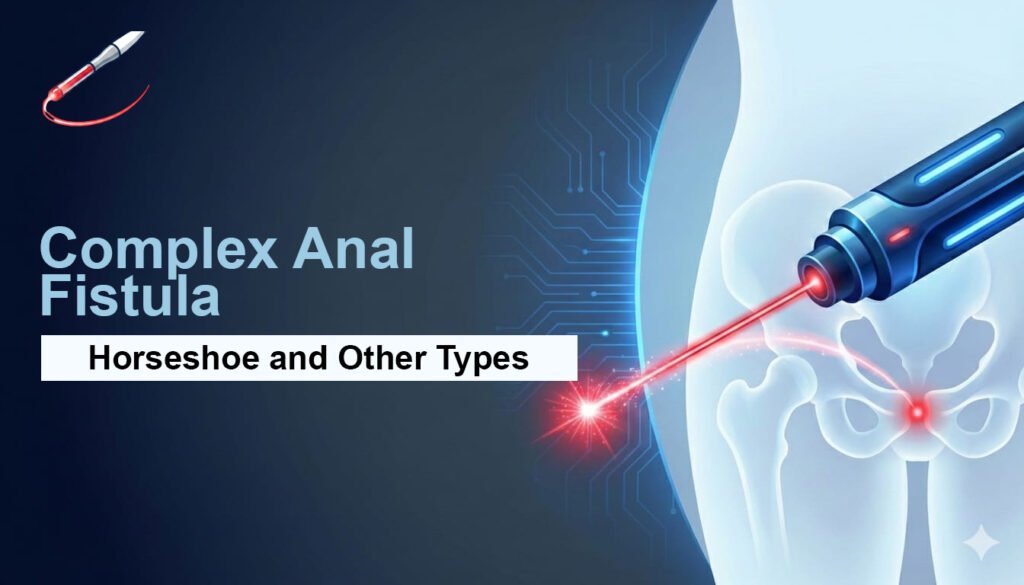
Anal fistula is a difficult condition that affects many people in Pakistan, especially in cities like Karachi. Traditional surgery methods often cause pain and long recovery times. However, modern medical science has bring a new solution called FiLaC ( Fistula Laser Closure ) that offers hope for patients looking for less invasive treatment options.

What Is FiLaC Laser Fistula Treatment?
FiLaC laser fistula treatment is a minimally invasive surgical technique that uses laser energy to close the fistula tract from inside. Unlike traditional surgery where doctors cut open the fistula, this method works by inserting a thin laser fiber directly into the fistula opening. The laser energy then seals the tract walls and destroys infected tissue without damaging surrounding healthy muscles. This innovative approach was developed in Germany and has gained popularity worldwide because of its gentle nature and excellent results.
⚕️ Medical Point: FiLaC ka matlab hai “Fistula tract Laser Closure” – yeh aik naya tareeqa hai jismein laser ki madad se fistula ka andar se ilaj hota hai bina badi surgery ke.
How Does the FiLaC Procedure Work?
The FiLaC procedure works through several careful steps that ensure precision and safety. First, the surgeon identifies the fistula tract using gentle probing techniques. Then, a special laser fiber (about the thickness of a thin wire) is inserted through the external opening of the fistula. The surgeon slowly pulls back the fiber while activating the laser, which delivers controlled energy to the fistula walls. This energy causes two important effects: it destroys the infected tissue lining and simultaneously seals the tract by causing controlled damage that promotes healing. The entire process typically takes 20-30 minutes and can be done under local anesthesia with sedation.
Moreover, the laser used in FiLaC operates at a specific wavelength (1470nm) that is specially chosen because it works very effectively on water-containing tissues while minimizing heat damage to surrounding areas. This precision is what makes the procedure safer than traditional methods.
- Step 1: Patient preparation and anesthesia administration
- Step 2: Fistula tract identification and cleaning
- Step 3: Laser fiber insertion through external opening
- Step 4: Controlled laser energy application while withdrawing fiber
- Step 5: External opening closure and dressing
💡 Yaad Rakhein: FiLaC procedure mein laser fiber bohot patla hota hai aur yeh fistula ke andar se ilaj karta hai. Procedure sirf 20-30 minute mein mukammal ho jata hai.
Who Can Benefit From Laser Treatment for Fistula?
Laser treatment for fistula is suitable for many patients, but specially those who want to avoid traditional surgery’s complications. Patients with simple or moderately complex fistulas respond particularly well to this treatment. Additionally, people who are worried about sphincter damage (which can lead to incontinence problems) find FiLaC very attractive because it preserve muscle function. The procedure is also good for patients who had previous failed surgeries, as it offers another chance for successful healing. However, very complex fistulas with multiple tracts might need different approaches or combination treatments.
In Karachi and other Pakistani cities, patients who work in demanding jobs appreciate FiLaC because the recovery time is much shorter compare to traditional surgery. This means less time away from work and family responsibilities.
👨⚕️ a qualified laser proctologist: As a laser proctologist in Karachi, I have successfully performed numerous FiLaC procedures with excellent outcomes. This technique offers patients faster recovery and minimal discomfort compared to traditional fistula surgery.

What Are the Benefits of Anal Fistula Laser Surgery?
Anal fistula laser surgery offers several important advantages over conventional surgical methods. First and most importantly, it preserves the sphincter muscles completely, eliminating the risk of fecal incontinence that sometimes occurs with traditional fistulotomy. Second, patients experience significantly less pain both during and after the procedure because there are no large surgical cuts. Third, the recovery time is remarkably shorter – most patients return to normal activities within 1-2 weeks compared to 4-6 weeks for traditional surgery. Fourth, there is minimal bleeding during the procedure due to the laser’s ability to seal blood vessels as it works. Finally, the success rates are comparable to traditional surgery but with fewer complications.
Furthermore, patients report high satisfaction because they can undergo the procedure without staying overnight in hospital in most cases. The procedure also leaves minimal scarring, which is cosmetically more acceptable.
How Long Is the Recovery After FiLaC?
The recovery period after FiLaC is typically much faster than traditional fistula surgery. Most patients experience mild discomfort for only 2-3 days, which can be easily managed with simple pain medications. You can usually return to desk work within 3-5 days, though physical labor might require waiting 1-2 weeks. The complete healing of the fistula tract takes approximately 6-8 weeks internally, even though you’ll feel much better sooner. During recovery, doctors recommend maintaining good hygiene, taking sitz baths twice daily, and avoiding heavy lifting or straining. Additionally, keeping the area clean and dry promotes faster healing and prevents complications.
In contrast, traditional fistula surgery often requires 4-6 weeks before returning to work and involves significantly more pain management needs during recovery.
Is FiLaC Better Than Traditional Fistulotomy?
When comparing FiLaC with traditional fistulotomy, several factors favor the laser approach for many patients. FiLaC causes zero sphincter damage, while fistulotomy cuts through some muscle fibers, potentially affecting continence. The pain level with FiLaC is minimal compared to the moderate-to-severe pain after fistulotomy. Recovery time is 2-3 times faster with laser treatment. However, traditional fistulotomy has been used for decades and has proven long-term success rates. The choice between methods depends on fistula complexity, patient preferences, and surgeon expertise. For simple fistulas, both methods work well, but FiLaC offers clear advantages in comfort and recovery. For complex cases, sometimes combination approaches or modified techniques give better results.
Therefore, it’s important to discuss with your surgeon which method suits your specific situation best. Many experienced proctologists now offer both options and can guide patients based on individual circumstances.
What Should I Expect During Filac Laser Fistula Procedure?
During the filac laser fistula procedure, you’ll first be given anesthesia – usually local anesthesia with sedation, which means you’ll be drowsy but comfortable. Once the anesthesia works, the surgeon carefully examines the fistula and cleans the area thoroughly. Then comes the main part: the thin laser fiber is gently inserted through the fistula opening. You won’t feel pain during this because of anesthesia, though you might sense some pressure or movement. The surgeon activates the laser and slowly withdraws the fiber, taking care to treat the entire tract evenly.
Throughout the procedure, the surgical team monitors your comfort and vital signs. After the laser treatment is complete, the surgeon may place a small dressing. The whole process typically finishes in 20-30 minutes, and you can go home the same day after a brief observation period.
Consequently, most patients are surprised by how quick and smooth the procedure actually is compared to what they expected.
⚠️ Important: Procedure se pehle aap ko 6-8 ghante kuch nahi khana chahiye. Procedure ke baad kisi responsible shakhs ko saath lana zaroori hai kyunke sedation ki wajah se aap khud gari nahi chala sakte.
Are There Any Risks or Side Effects of FiLaC?
Like any medical procedure, FiLaC does carry some risks, though they are generally less than traditional surgery. The most common side effect is mild pain or discomfort at the treatment site for few days, which responds well to regular painkillers. Some patients experience minor bleeding or discharge during the first week, which is normal as the body heals. There’s a small chance (around 10-20%) that the fistula might not heal completely and could recur, requiring additional treatment. Very rarely, patients might develop infection at the site, which needs antibiotic treatment.
Importantly, serious complications like sphincter damage or incontinence are extremely rare with FiLaC, unlike traditional surgery where these risks are higher. Overall, the safety profile of laser treatment for fistula is excellent when performed by experienced surgeons.
Nevertheless, it’s crucial to follow all post-procedure instructions carefully to minimize any risks and ensure optimal healing.
How Much Does FiLaC Cost in Pakistan?
The cost of FiLaC procedure in Pakistan varies depending on several factors including hospital facility, surgeon’s experience, and complexity of the fistula. In Karachi, the procedure typically ranges from PKR 80,000 to PKR 150,000. This cost usually includes the surgeon’s fee, hospital charges, anesthesia, and basic follow-up visits. While this might seem expensive compared to traditional surgery, many patients find it worthwhile considering the faster recovery, less pain, and ability to return to work quickly. Some health insurance plans in Pakistan now cover FiLaC procedure, so it’s worth checking with your insurance provider. Additionally, many hospitals offer payment plans or installment options to make the treatment more accessible.
Furthermore, when calculating costs, consider the indirect savings from fewer days off work and reduced need for pain medications and wound care supplies.
How Successful Is the FiLaC Technique?
The success rate of FiLaC technique is quite encouraging based on international studies and clinical experience. Research shows that approximately 70-80% of patients achieve complete healing after a single FiLaC procedure. For simple, straightforward fistulas, success rates can reach up to 85-90%. If the first treatment doesn’t completely heal the fistula, a second laser session can be performed, bringing overall success rates even higher. Patient satisfaction scores are particularly high because even when the fistula isn’t completely cured, the symptoms often improve significantly. Moreover, the procedure can be safely repeated without increasing complication risks, unlike traditional surgery where repeat operations become progressively more difficult. Long-term follow-up studies show that successful closures remain stable over time with low recurrence rates.
Therefore, FiLaC represents a genuine advancement in fistula treatment with outcomes that compete well with or exceed traditional methods in many cases.
Where to Get FiLaC Treatment in Karachi?
In Karachi, several specialized centers now offer FiLaC treatment performed by trained laser proctologists. When choosing where to get treatment, look for surgeons who have specific training in laser proctology and considerable experience with the FiLaC technique. It’s important to select a facility that has modern laser equipment and proper infrastructure for the procedure. Before deciding, schedule a consultation to discuss your specific case, ask about the surgeon’s experience with FiLaC, and understand the expected outcomes. A good surgeon will examine you thoroughly, possibly order imaging studies like MRI, and explain whether you’re a suitable candidate for laser treatment or if another approach might work better for your particular fistula type.
Additionally, check patient reviews and testimonials to understand others’ experiences at the facility you’re considering.
Conclusion
The FiLaC laser procedure represents a significant advancement in treating anal fistulas, offering patients a minimally invasive option with faster recovery and less pain than traditional surgery. While not suitable for every fistula type, it provides an excellent solution for many patients, particularly those concerned about sphincter preservation and quick return to normal activities. If you’re suffering from an anal fistula, consult with your surgeon to determine if FiLaC is right for you. With proper patient selection and experienced surgical technique, this innovative treatment can provide relief and healing with minimal disruption to your daily life.
Related Resources
- Laser Proctology Basics – Learn about laser treatment fundamentals
- Understanding Fistula – Complete guide to anal fistula condition
- Fistula Symptoms – Recognize the signs early
- Comparing FiLaC vs Fistulotomy – Detailed comparison of treatment options
- Laser for Hemorrhoids – Another laser proctology procedure
- Latest FiLaC Technique – Comprehensive fistula treatment information
- Expert FiLaC Surgeon – Professional consultation available
For the full comparison of FiLaC vs other techniques and recovery details, see our anal fistula laser treatment guide.