If you’re experiencing persistent pain around your anal area with unusual discharge, you might be dealing with an anal fistula. This medical condition can be confusing and distressing for many patients, but understanding what it is can help you take the right steps toward treatment.
An anal fistula is a small tunnel that develops between the end of your bowel (anal canal) and the skin near your anus. It usually forms when an infection in an anal gland doesn’t heal properly. Moreover, this condition requires medical attention and proper treatment to prevent complications.
What Is Anal Fistula?
An anal fistula is an abnormal connection (tunnel) between the inside of your anal canal and the skin near your anus. This tunnel develops when an abscess (collection of pus) in the anal area doesn’t heal completely after draining.
The condition occurs when one of the small glands inside your anus becomes blocked and infected, leading to an abscess. When this abscess drains, it may create a tunnel from the inside of your anal canal to the outside skin. Consequently, this tunnel keeps draining fluid or pus, which makes healing difficult without proper medical treatment.
🔵 Yaad Rakhein (Remember): Anal fistula khud se theek nahi hota. Agar aapko lagatar dard ya discharge ho raha hai, toh specialist doctor se zaroor milein. Delay karne se masla barh sakta hai.
In Pakistan, particularly in urban areas like Karachi, many patients delay seeking treatment due to embarrassment or lack of awareness. However, early diagnosis and treatment can prevent the condition from worsening and improve your quality of life significantly.
What Are Anal Fistula Causes?
The most common cause of anal fistula is a blocked anal gland that becomes infected. This infection leads to an abscess, which when drained, may leave behind a tunnel-like connection.
Several factors can contribute to developing what is anal fistula:
- Anorectal abscess: This is the leading cause in approximately 90% of cases. When an abscess doesn’t heal properly after drainage, it can form a fistula.
- Crohn’s disease: This inflammatory bowel condition affects your digestive tract and can lead to fistula formation. Therefore, patients with Crohn’s need regular monitoring.
- Tuberculosis: In countries like Pakistan, TB can sometimes cause anal fistulas, especially when it affects the intestinal system.
- Previous surgery: Surgical procedures around the anal area may sometimes lead to fistula development as a complication.
- Trauma or injury: Any injury to the anal area can potentially cause fistula formation if infection develops.
- Sexually transmitted infections: Certain infections can increase your risk of developing anal fistulas.
🔵 Medical Point: Diabetes aur kamzor immune system bhi fistula ki wajah ban sakta hai. Agar aap diabetic hain, toh apni sehat ka khaas khayal rakhein.
Understanding these anal fistula causes helps patients recognize their risk factors. Additionally, knowing the causes can help you take preventive measures and seek early treatment when necessary.

What Are the Anal Fistula Symptoms?
Recognizing the symptoms early can help you seek timely medical care. The signs can vary depending on the severity and location of the fistula.
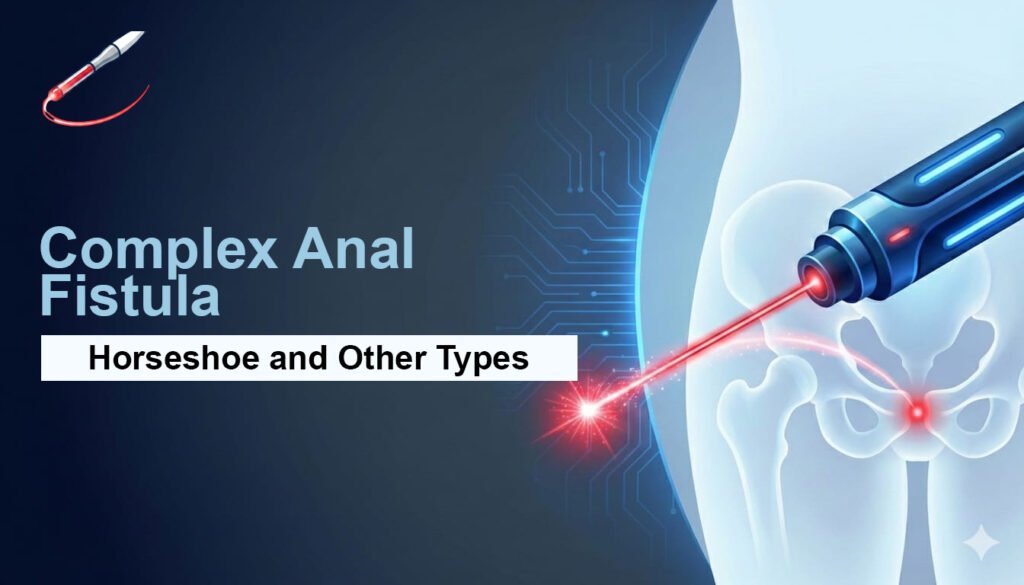
For treatment, compare FiLaC vs fistulotomy success rates. If your fistula is high or branching, see our guide on complex anal fistula — horseshoe and other types.
Common symptoms include:
- Persistent drainage: You might notice continuous or frequent discharge of pus or blood from an opening near your anus. This discharge may have an unpleasant smell.
- Pain and discomfort: Many patients experience throbbing pain around the anal area. The pain often worsens during bowel movements, sitting, or walking.
- Swelling and redness: The skin around your anus may appear red, swollen, and irritated.
- Itching and irritation: The affected area may feel itchy and uncomfortable, which can affect your daily activities.
- Fever: Sometimes, if there’s active infection, you might develop fever along with other symptoms.
- Difficulty sitting: The pain and discomfort can make sitting for long periods challenging.
- Recurrent abscesses: You may experience repeated abscess formation in the same area.
🔵 Important: Agar aapko lagatar 2-3 hafte se discharge ya dard ho raha hai, toh turant doctor se check karwayein. Jaldi ilaaj se masla control ho sakta hai.
These anal fistula symptoms can significantly impact your daily life and work productivity. Many patients in Karachi report difficulty maintaining their routine due to the constant discomfort. Therefore, seeking professional medical help is crucial for proper management.
How Is Anal Fistula Diagnosed?
Proper diagnosis is essential for effective treatment planning. Your doctor will perform several examinations to confirm the presence of a fistula and determine its type.
The diagnostic process typically includes a physical examination where your doctor inspects the area around your anus for openings, discharge, or signs of infection. During this examination, the doctor may gently press around the area to check for tenderness and swelling.
In some cases, additional tests may be needed such as MRI scans, ultrasound, or fistulography. These imaging tests help doctors see the exact path of the fistula and plan the best treatment approach. Furthermore, these tests can identify if there are multiple tunnels or branches.
What Treatment Options Are Available For Anal Fistula?
Treatment for what is anal fistula usually requires surgery because fistulas rarely heal on their own. The good news is that modern surgical techniques, particularly laser procedures, offer effective solutions with faster recovery times.
Traditional surgical options include fistulotomy, where the surgeon opens up the fistula tract to allow it to heal from the inside out. Another approach is using a seton, which is a surgical thread placed in the fistula to help drain it gradually.
Modern laser treatment, such as the FiLaC Laser Procedure, offers several advantages over traditional surgery. This minimally invasive technique uses laser energy to close the fistula tract with minimal damage to surrounding tissue. Consequently, patients experience less pain, faster healing, and lower recurrence rates.
🔵 a qualified laser proctologist: As a specialist in Laser Proctology, I have successfully treated numerous fistula cases using advanced laser techniques with excellent results and patient satisfaction.
Can Anal Fistula Be Prevented?
While not all cases can be prevented, certain measures can reduce your risk of developing what is anal fistula. Maintaining good hygiene is crucial – keep the anal area clean and dry to prevent infections.
Other preventive steps include treating constipation promptly to avoid straining during bowel movements, managing underlying conditions like Crohn’s disease effectively, and seeking immediate medical attention if you develop an anal abscess. Additionally, maintaining a healthy lifestyle with proper diet and exercise helps support your overall health.
Living with Anal Fistula: What to Expect
If you’re diagnosed with an anal fistula, it’s important to understand that this is a treatable condition. Many patients successfully manage and overcome this problem with proper medical care.
While awaiting treatment, you can manage discomfort by keeping the area clean, taking warm sitz baths several times daily, and wearing loose, comfortable clothing. However, remember that these measures provide temporary relief and cannot cure the fistula.
After treatment, most patients recover well and return to their normal activities within a few weeks. Following your doctor’s post-operative instructions carefully ensures better healing and reduces the risk of recurrence.
If you Think You Have Anal Fistula : When Should You See a Doctor?
You should consult a doctor if you notice any persistent discharge from an opening near your anus, experience ongoing pain or discomfort in the anal area, or have recurrent abscesses. Early consultation leads to better outcomes.
Don’t let embarrassment prevent you from seeking help. Doctors who specialize in proctology deal with these conditions daily and understand your concerns. They can provide confidential, professional care to help you resolve this problem.
Finding the Right Treatment in Karachi For Anal Fistula
For patients in Karachi seeking treatment for what is anal fistula, it’s important to choose a qualified specialist with experience in modern treatment techniques. Look for doctors who offer comprehensive care, from diagnosis to post-operative follow-up.
Advanced treatment options like laser surgery are now available in Karachi, offering patients less painful alternatives to traditional surgery. These modern techniques result in quicker recovery and better quality of life after treatment.
You can learn more about various Conditions We Treat and explore the differences between Understanding Fissure and fistula to better understand your condition. For comprehensive information about fistula treatment options, visit Fistula Medical Guide or consult with an Expert Fistula Surgeon.
Conclusion
Understanding what is anal fistula is the first step toward getting proper treatment. This condition, while uncomfortable and concerning, is highly treatable with modern medical techniques. The key is to recognize the symptoms early and seek professional help without delay.
Whether you’re experiencing anal fistula symptoms or have concerns about anal fistula causes, consulting with a qualified specialist can help you get the right diagnosis and treatment plan. Remember that delaying treatment can lead to complications and prolonged discomfort.
With advances in medical technology, particularly laser-based treatments, patients now have access to safer, more effective options that offer faster recovery and better outcomes. Don’t suffer in silence – take the first step toward healing by consulting with a medical professional today.
For complete treatment options including FiLaC vs fistulotomy comparison and costs, see our laser treatment for anal fistula — complete guide.